
From Questions to Careers: UCSF Medical Students Showcase Research at Spring Inquiry Symposium

On May 7, 2026, 135 fourth-year UCSF medical students presented original research at the UCSF School of Medicine Spring Inquiry Symposium on the UCSF Parnassus Heights campus. The event marked a milestone in the students’ medical education, showcasing how student-led scholarship helps shape the next generation of physicians, researchers, and health care leaders.
Projects spanned a broad range of disciplines and methodologies, reflecting the diverse questions students pursue as they prepare to enter residency and begin the next phase of their careers.
The Symposium celebrates the achievements of medical students who have completed the Inquiry Curriculum, which is designed to foster a lifelong “habit of mind” by transforming students from consumers of scientific knowledge into contributors to the field. During their final year of medical school, students complete an independent project known as Deep Explore, with 12 to 20 weeks of protected time and dedicated faculty mentorship. Approximately 20 students also participate in the Yearlong Fellowship Program, which provides dedicated support for 12 months of full-time research or scholarship, a living stipend, mentorship, and completion of an MD with Distinction project.
Opening the event, Rita Redberg, MD, MS, Inquiry Curriculum Director, reflected on the importance of scholarship in advancing medicine and improving patient care. She noted that recent challenges in health care have reinforced the value of rigorous scientific inquiry and encouraged students to continue to ask meaningful questions throughout their careers.
This year’s keynote speaker, Anobel Odisho, MD, MPH, UCSF Medical Director for Surgical Informatics, reflected on how his own experience in the Inquiry Curriculum influenced his professional journey. Sharing lessons from his career as a physician and researcher, he reminded students that career paths are rarely linear and encouraged them to remain open to new opportunities and evolving interests.
Research as a Foundation for Future Careers
For many students, the Inquiry Curriculum provided more than an opportunity to complete a research project—it helped shape how they approach clinical problems, evaluate evidence, and envision their futures in medicine.
“Research has fundamentally changed how I approach problems, in the lab and in the hospital,” said Luke Sang, MS4. “Medicine is full of situations where the answer isn't clear and requires an open mind to evaluate different data points to reach a conclusion.”
Kathleen Cui, MS4, similarly reflected on the opportunity to pursue clinical questions that have the potential to improve patient outcomes.
Dean's Prize Recipients

Each year, five students who demonstrate outstanding scholarship are awarded the Dean’s Prize for their contributions in Deep Explore or Yearlong Research. Recipients are selected based on the strength of their abstract, mentor nomination, and presentation to a faculty review committee.
Kathleen Cui
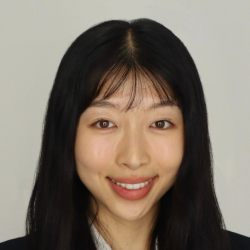
Mentor: Sharon Chiang, MD, PhD, Assistant Professor of Neurology
Project: “Unique Quality of Life Priorities for People with Epilepsy and Comorbid Functional Seizures.”
Kathleen examined quality-of-life priorities among people living with epilepsy and co-occurring functional seizures. Her research found that patients with both conditions placed greater importance on issues such as suicidal ideation and health care utilization, highlighting the need for more tailored approaches to measuring quality of life and patient outcomes in this population.
The experience reinforced Kathleen's interest in addressing unanswered clinical questions and using research to improve patient care. She hopes to continue pursuing research as a resident physician, exploring ways to translate evidence into better health outcomes.
Natasha Gonzalez
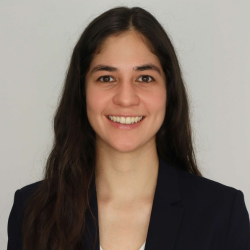
Mentor: Tasce Bongiovanni, MD, MPP, Associate Professor of Surgery
Project: “Pain Assessment and Communication Experience of Spanish-Speaking Patients on the Trauma Surgery Service: A Qualitative Study.”
Natasha explored the experiences of Spanish-speaking patients receiving trauma surgical care. Building on previous research showing disparities in pain assessment among patients with limited English proficiency, she examined how language barriers affect the patient experience. Her findings revealed that while Spanish-speaking patients were generally satisfied with pain management, communication gaps remained around complex topics such as diagnosis, treatment planning, and discharge.
Natasha's research interests focus on health services and trauma surgery. She will continue her training this summer as a General Surgery resident.
Talia Ruxin
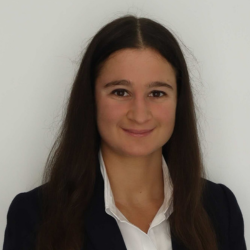
Mentor: Ilana Garcia-Grossman, MD, MAS, Assistant Professor of Medicine
Project: “A Hospital-Based Emergency Voting Initiative for Election Day.”
Talia evaluated a hospital-based emergency voting initiative at two UCSF hospitals, examining the experiences of patients who accessed voting services while hospitalized. Her research found that the program reached populations historically underrepresented in the electoral process, including patients experiencing housing instability and those relying on public insurance. More than 93% of survey respondents also agreed that hospitals should help patients vote.
The project reinforced for Talia the importance of seeing research translate into meaningful impact. She plans to continue incorporating research into her work as a future hospitalist, viewing scholarship as an important tool for advancing equitable care and driving systems-level change.
Luke Sang
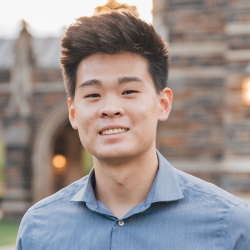
Mentor: Brian Feeley, MD, Professor of Orthopedic Surgery
Project: “Integrated Multi-Omics and Mechanistic Analyses Reveal Connexin 43–Dependent FAP Mitochondrial Transfer is Associated with Oxidative Fiber Regeneration After Injury.”
Luke investigated the role of Connexin 43 (Cx43), a protein involved in cell-to-cell communication, in muscle recovery after injury. His research focused on how resident muscle stem cells transfer mitochondria to regenerating muscle fibers following ischemia-reperfusion injury. He found that Cx43 plays an important role in this process and that mitochondrial transfer may be associated with the regeneration of muscle fibers involved in oxidative recovery after injury.
Luke’s research has helped him realize how much remains to be understood about muscle recovery after injury and how directly that affects patients. The experience strengthened his interest in orthopedic surgery, where he hopes to incorporate basic science research with clinical work.
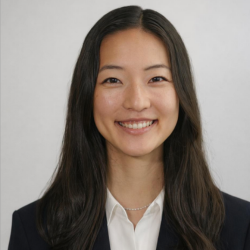
Emily Taketa
Mentor: Marie-Coralie Cornet, MD, Assistant Professor of Pediatrics
Project: “Association between Automated EEG Background, Brain Injury on MRI, and 2-year Outcomes in Neonates with Mild Hypoxic Ischemic Encephalopathy Treated with Therapeutic Hypothermia.”
Emily conducted a study of newborns with mild hypoxic ischemic encephalopathy (HIE) to evaluate whether an automated EEG measure known as Brain State of the Newborn (BSN) could help predict later brain injury and developmental outcomes. She found that lower BSN scores early in life were associated with a higher risk of adverse outcomes, suggesting the tool's potential role in early risk assessment and clinical decision-making.
The project was accepted as a poster at the International Newborn Brain Conference, where Emily had the opportunity to connect with leaders in neonatal neurology. Inspired by the research community and mentorship she found throughout the project, she plans to continue pursuing research in the field as a pediatrics resident.
The Value of Mentorship
Faculty mentorship remains a cornerstone of the Inquiry experience, helping students develop research skills, navigate challenges, and explore future career paths.
Reflecting on her experience, Emily Taketa, shared, “My mentor empowered me to learn new analysis skills and build confidence presenting to world leaders in the field. She gave thoughtful advice and valued my voice in the process.”
Luke Sang similarly emphasized the impact of mentorship on his development as a future physician-scientist.
“They invested in my growth as a future clinician-scientist,” he said. “That kind of holistic support has shaped how I think about what great mentorship looks like.”
For faculty mentors, the experience is equally rewarding. Narges Alipanah-Lechner, MD, MAS, Assistant Professor of Medicine, noted that mentoring helps students learn the process of scientific inquiry while guiding projects from inception to completion.
Maria Wei, MD, PhD, Professor of Dermatology, shared that mentorship is essential for medical student research. In addition to helping guide the student’s scientific direction, she said mentors benefit from the creativity and insights students bring to projects. “Students often have great ideas that move projects forward,” she said, adding that working with learners is one of the most rewarding aspects of academic medicine.
Martina Stuerer, MD, Professor of Pediatrics and a longtime Inquiry mentor, added that students bring fresh perspectives and innovative ideas that enrich both research projects and the academic community.
Mentor Award Recipients
The Inquiry Curriculum also recognizes faculty mentors who demonstrate exceptional dedication to education, scholarship, and student development. This year’s Mentor Awards recipients are:
Narges Alipanah-Lechner, MD, MAS, Assistant Professor of Medicine
Jeannie Bailey, PhD, Associate Professor of Orthopedic Surgery
Alexis Beatty, MD, MAS, Professor of Epidemiology & Biostatistics
Tasce Bongiovanni, MD, MPP, MHS, Associate Professor of Surgery
Aileen Chang, MD, Associate Professor of Dermatology
Sharon Chiang, MD, PhD, Assistant Professor of Neurology
Michael Davies, MD, Assistant Professor of Orthopedic Surgery
Kayla Enriquez, MD, MPH, Associate Professor of Emergency Medicine
Brian Feeley, MD, Professor of Orthopedic Surgery
Yi Li, MD, Associate Professor of Radiology
Jen Perkins, MD, MBA, Professor of Medicine
John Rose, MD, MPH, Assistant Professor of Surgery
Martina Steurer, MD, MAS, Professor of Pediatrics
Doris Wang, MD, PhD, Associate Professor of Neurological Surgery
Maria Wei, MD, PhD, Professor of Dermatology
Supported by faculty mentors and guided by a spirit of inquiry, the Class of 2026 leaves medical school with the skills to ask meaningful questions, evaluate evidence, and contribute new knowledge to the field. As students begin residency and the next stage of their careers, the lessons learned through the Inquiry Curriculum will continue to shape how they care for patients, pursue discovery, and lead change in medicine.


