GME Peer Support Ambassador Program
The UCSF GME Peer Support Ambassador (PSA) Program is an annual training program composed of 10-12 residents and fellows representing a variety of specialties, experiences, and identities. Each PSA receives training in peer support, trauma-informed care, and restorative inquiry. The PSA's look forward to providing confidential support to resident and fellow colleagues for challenging experiences that come up during residency or fellowship training and in the clinical environment. They also co-teach general peer support skills training sessions open to all trainees throughout the year.
You do not have to be in a PSA’s program to connect.
To be linked to a PSA, you can email any PSA directly or “Submit a Request for Support” below
Submit a request for support
GME Peer Support Ambassadors
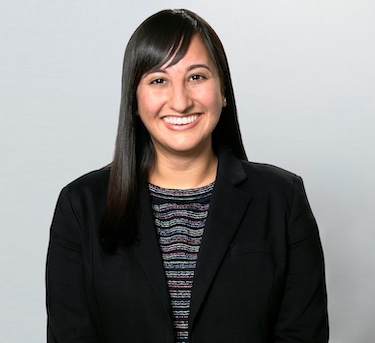
Sabreen Aulakh, MD, Neonatology
Read Bio
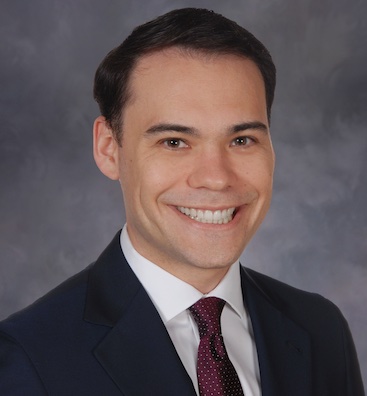
Brandon K.K. Fields, MD, Musculoskeletal Imaging
Read Bio
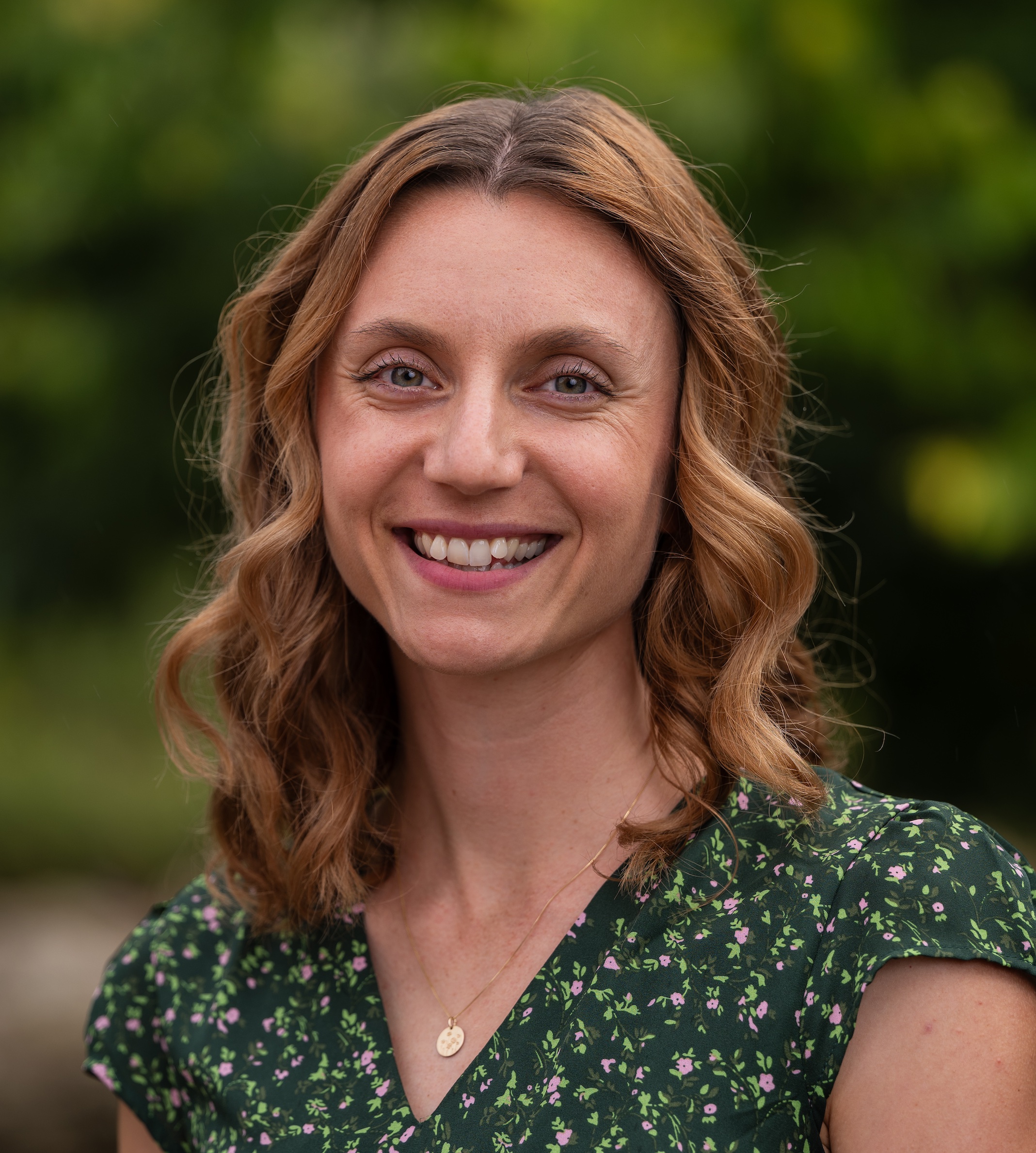
Dev Gingrich, MD, Pediatrics
Read Bio
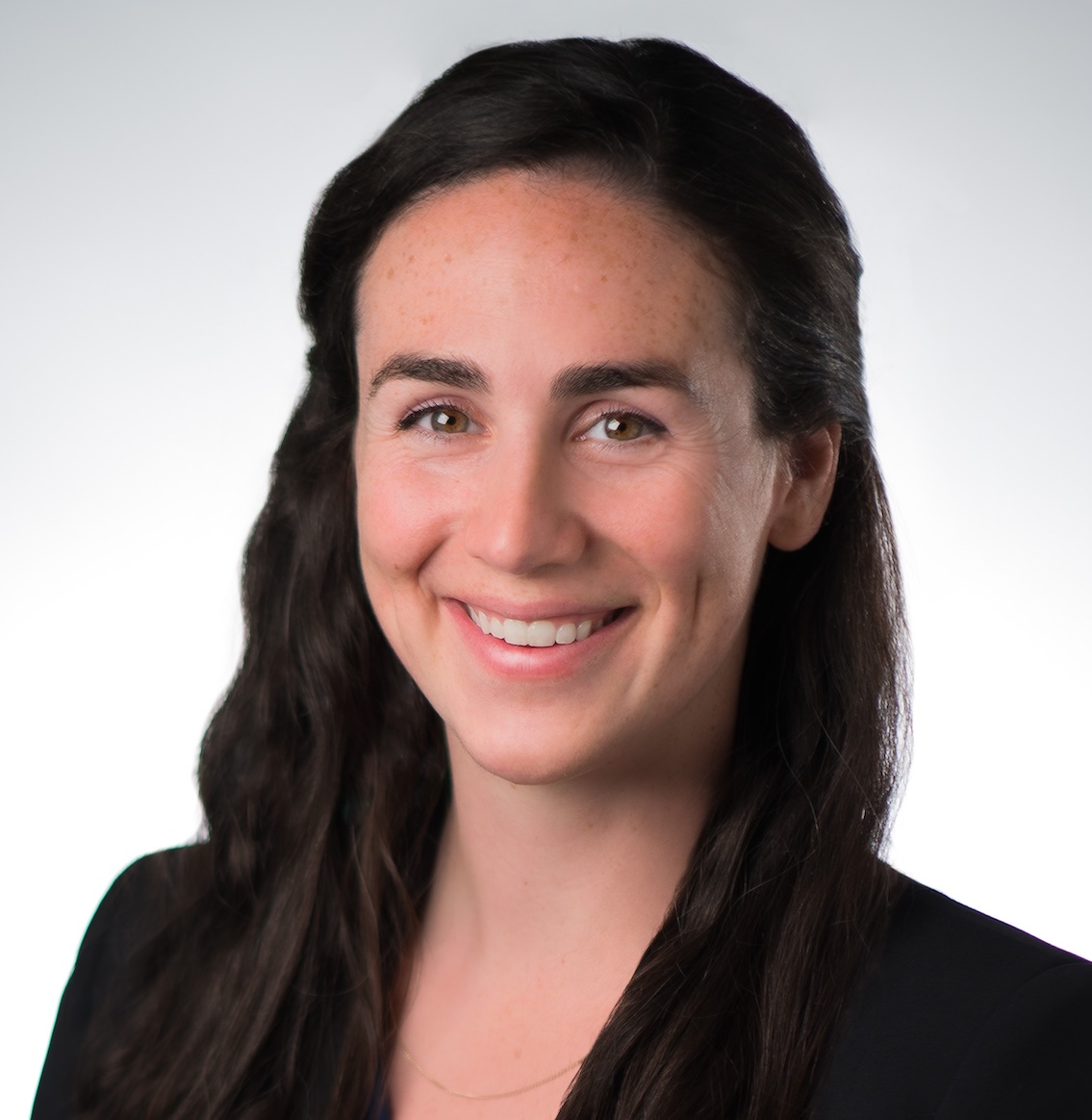
Emily Hacker, MD, Urology
Read Bio
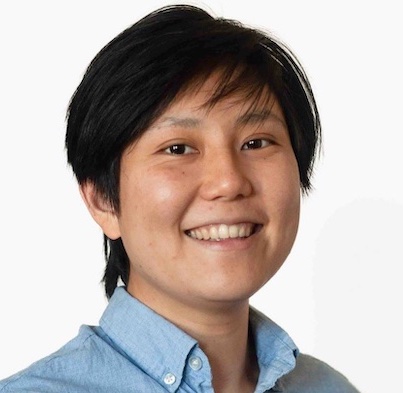 Sophie Jin, MD, MPH, Occupational and Environmental Medicine
Read Bio
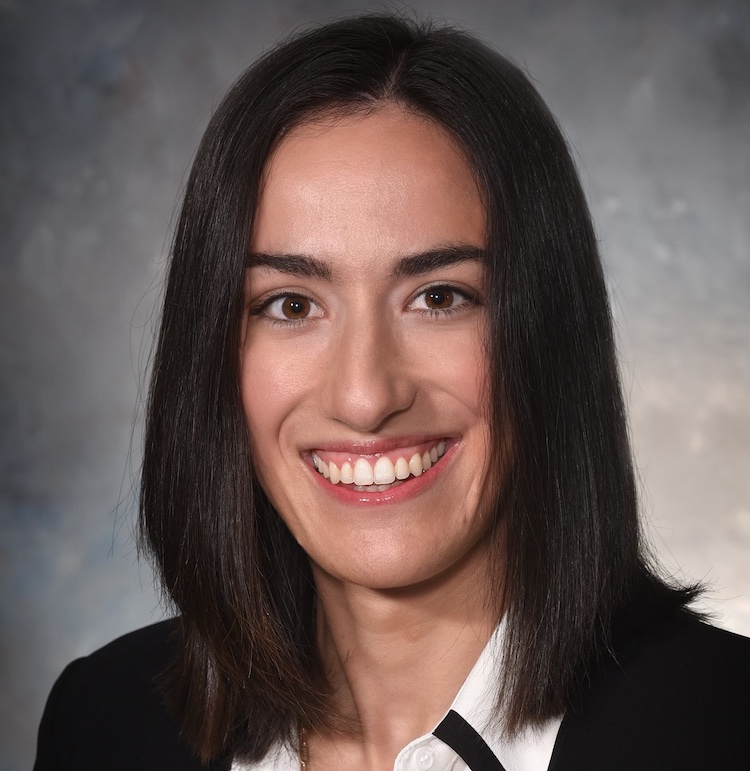
Emily Kaplan, MD, Internal Medicine
Read Bio
Matthew Rodriguez, MD, Family & Community Medicine
Read Bio
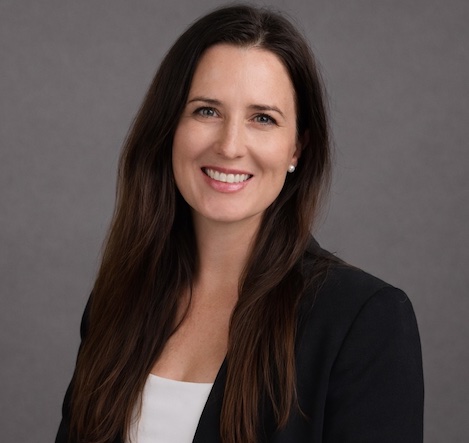
Krystal Straessler, MD, Radiation Oncology
Read Bio
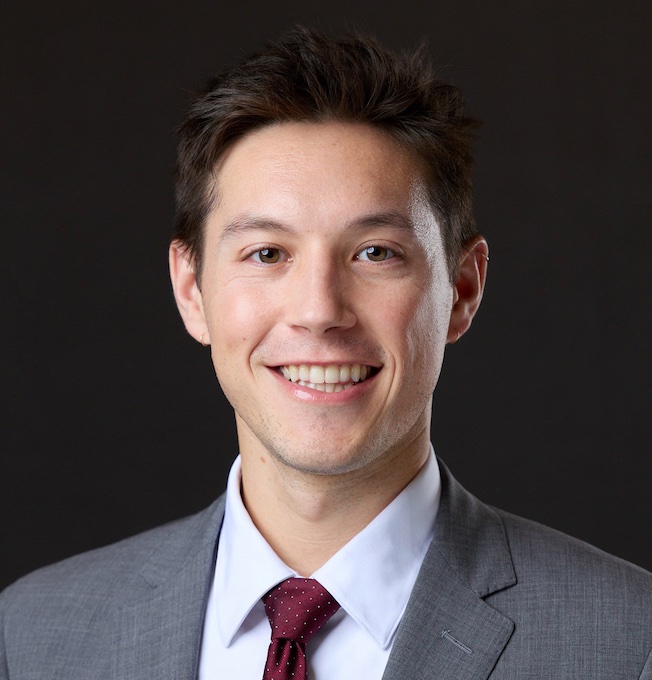
Clark Williamson, MD, MPH, Internal Medicine
Read Bio
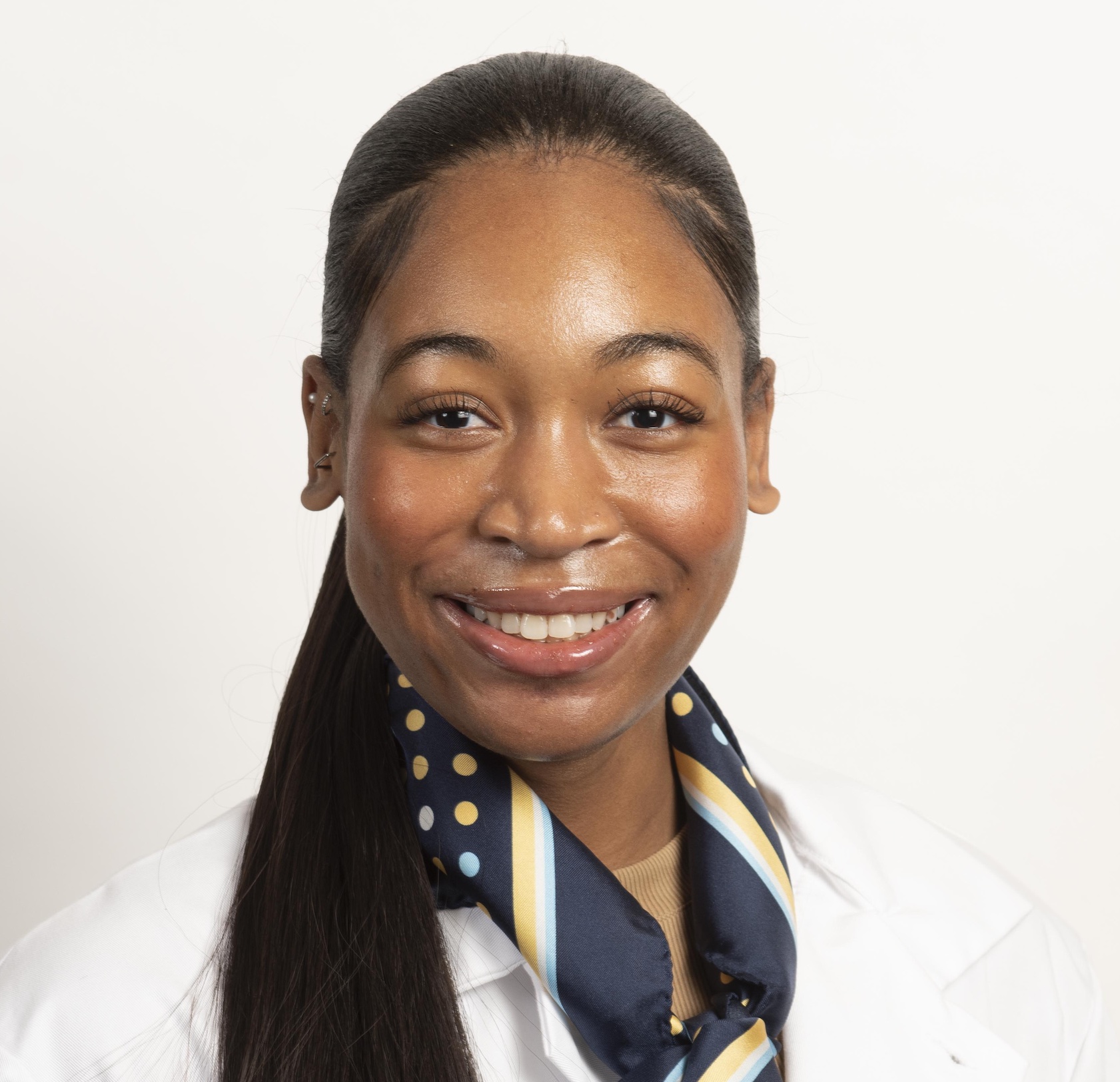
Woodi Woodland, MD, Otolaryngology
Read Bio
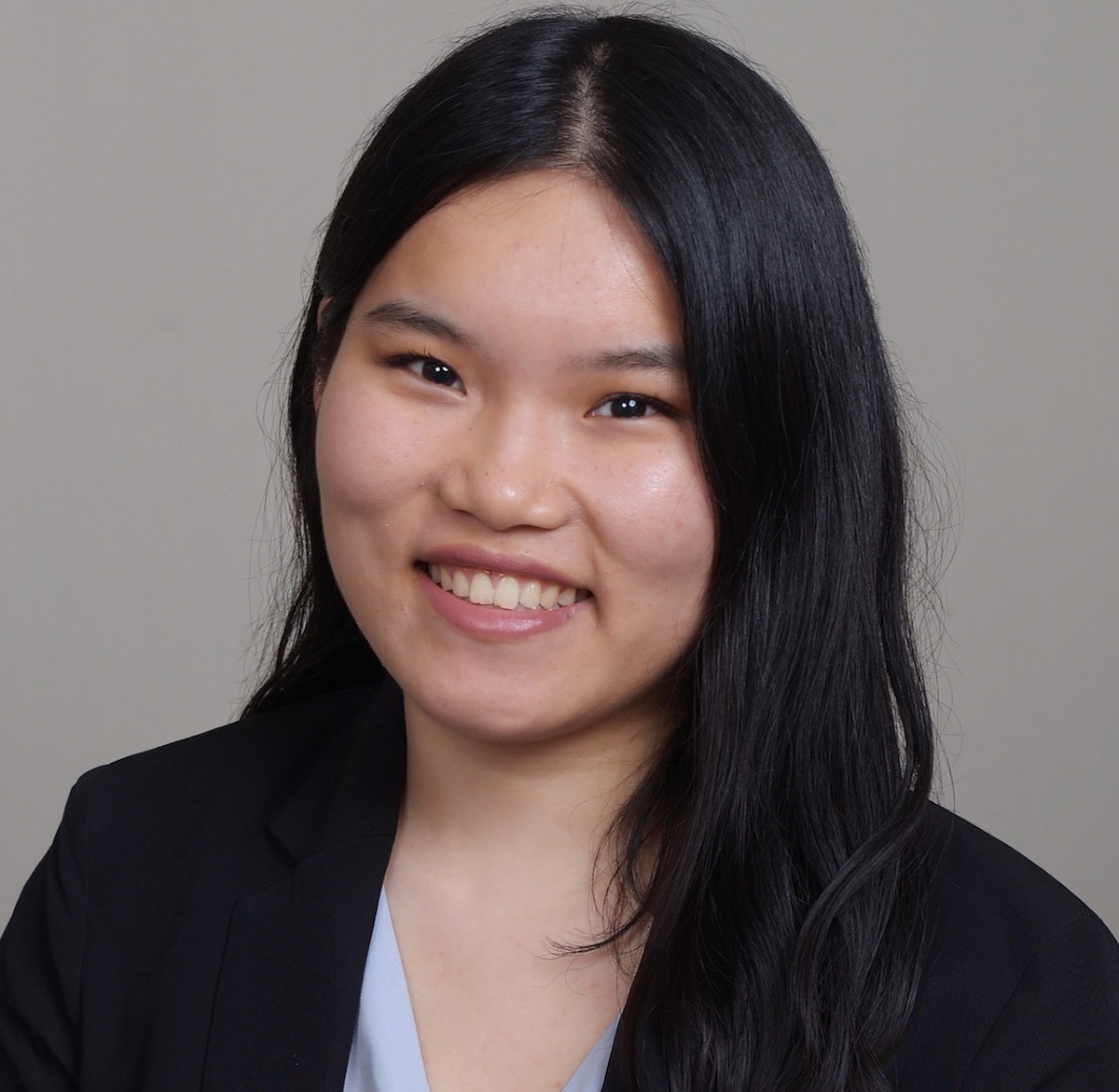
Lisa Young, MD, Anesthesiology
Read Bio
Anna Zhao, MD, Surgery
Read Bio
PSA Faculty Leadership Team
Kendra Moore, MD, MBE, Assistant Clinical Professor of Medicine, UCSF
Larissa Thomas, MD, MPH, Professor of Clinical Medicine, UCSF
For general questions about the program or skills training, contact [email protected].
- Walter Hsiang, MD, MBA, Urology
- Thomas Li, MD, General Surgery
- Meg Lobel, MD, Maternal-Fetal Medicine
- Mary Nguyen, MD, MSc, Family and Community Medicine
- Casey Norlin, MD, Anesthesia
- Eudora Olsen, MD, MPH, Internal Medicine
- Leah Ibrahim Puri, MD, Urology
- Marissa Reyes, MD, Pediatrics
- Kristen Vossler, MD, Internal Medicine
- Jeffrey Woods, MD, Psychiatry
- Saba Ali, MD, Pediatrics
- Galen Laserson Bussmann, MD, MBA, Emergency Medicine
- Hannah Decker, MD, General Surgery
- Alexandria Dyer, MD, MPD, OB/GYN
- Tess Engel, MD, Dermatology
- Kasey Han, MD, Psychiatry
- Adrian Hernandez Lopez, MD, Maternal-Fetal Medicine
- John Kanter, MD, Neurotrauma
- Chinaza Ochi, MD, Neurology
- Sylvia Stellmacher, MD, Pumonary & Critical Care Medicine
- Arvind Suresh, MD, Internal Medicine
- Sean Wickers, MD, Pediatrics
- Max Bowman, MD Urology
- Carrie Crook, MD, MPH Obstetrics and Gynecology
- Samantha Fisch, MD Internal Medicine
- Ryan Fox-Lee, MD Pediatrics
- Michaela (Micki) Gonzalez, MD Emergency Medicine
- Francie Goodstein, MD Anesthesiology
- Ursula Griffiths-Randolph, MD Pediatrics
- Vivian Ling, MD Family and Community Medicine
- Micaela (Mica) Rosser, MD Plastic and Reconstructive Surgery
- Isabelle Wijangco, MD, MPP Obstetrics and Gynecology
FAQ
Peer support is one-on-one support from a trained colleague to process challenges that occur during the course of clinical work. While peer support can be particularly helpful for many common challenges residents and fellows experience in training, it is not therapy or mental health support. For additional mental health resources, see additional support available.
All kinds of challenges! The list includes but is not limited to:
Adverse patient experiences:
- Patient death or adverse outcome
- Difficult patient interactions
- Challenges of caring for vulnerable patients
- Making mistakes
Residency challenges:
- Moving to a new place for residency
- Navigating relationships during residency
- Transitioning to new roles during residency
- Personal or family illness during residency
- Challenges with career decisions
- Well-being in residency
Peer Support Ambassadors (PSAs) have completed a three-module curriculum to develop skills in active listening, emotional support, trauma-informed care, and the restorative mindset. They have been oriented to mental health and support resources available to residents and fellows at UCSF. They have participated in a multi-disciplinary cohort to provide each other with support.
You can reach out to any PSA individually via UCSF email or fill out the Peer Support Referral Form to be connected with an available PSA.
Peer Support Ambassadors are selected annually. A call for applications is released in the spring preceding their participation year. Throughout the year, the PSA program offers two-hour workshops in basic peer support skills to programs and communities across GME. These workshops are co-facilitated by our faculty and our trained PSAs. If you are interested in organizing one of these workshops, please email Kendra Moore.